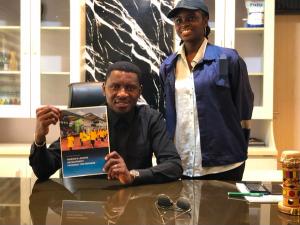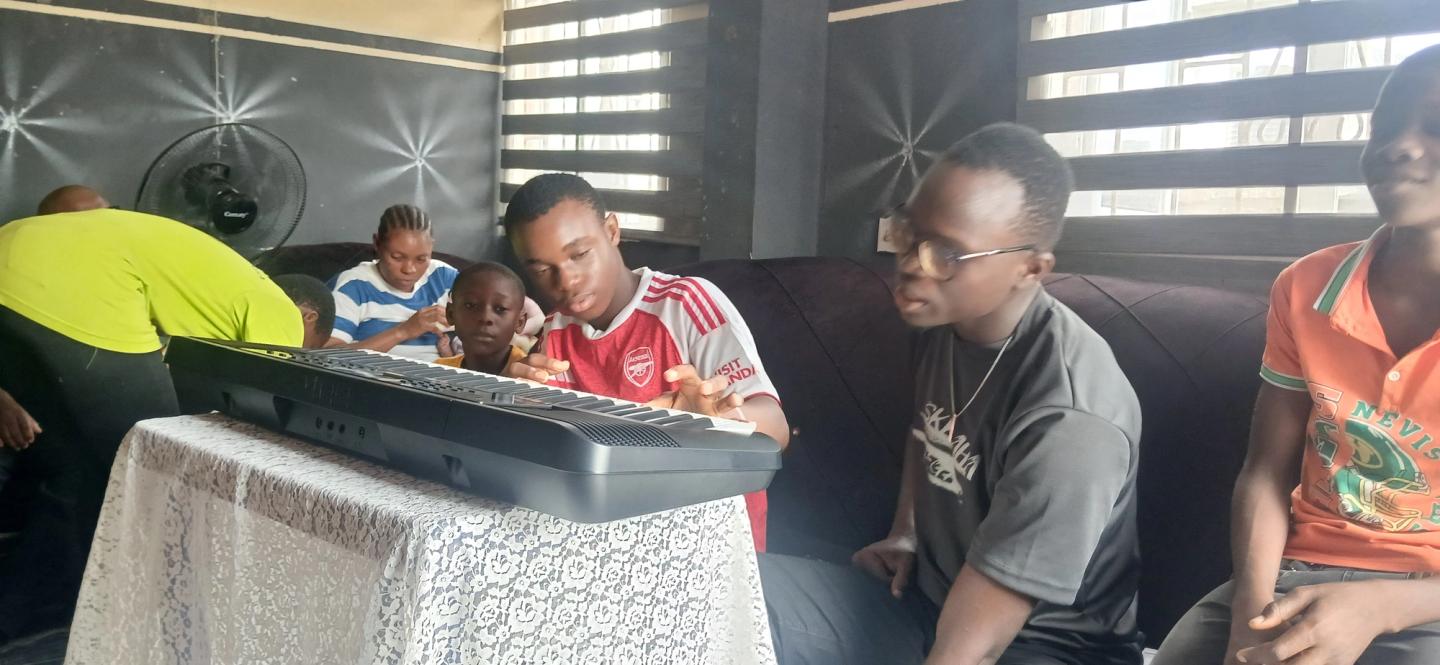
So you want to volunteer at an orphanage. That impulse is a good one. Here is how to make sure it counts:
Every week in Nigeria, people walk through the gates of orphanages with good hearts and full hands — bags of rice, cartons of indomie, toiletries, sometimes cash. They spend a few hours with the children, take some photographs, and leave feeling like they did something meaningful.
Sometimes they did.
But sometimes — more often than the sector likes to admit — that kind of visit does more disruption than good. Yes, your intentiones are goo, but most times good intentions without structure rarely produce the outcomes we hope for.
If you are reading this because you want to volunteer at a Nigerian orphanage, you are already ahead of most people. Most people just show up. You are asking how to do it well.
That matters. And we want to help you get it right.
First, Understand What You Are Walking Into
An orphanage is not a backdrop for generosity. It is a structured home with routines, rules, staff responsibilities, and children who have already navigated more disruption in their short lives than most adults ever will.
Many children in Nigerian orphanages have lost one or both parents to illness, poverty, conflict, or abandonment. Some came from IDP camps. UNICEF estimates that 60 percent of Nigeria's internally displaced population are children , and the pipeline from displacement to institutional care is very real.
These children are extraordinary. Resilient in ways that will genuinely surprise you. But resilience is not the same as not needing stability. They need adults who are reliable. Who show up when they say they will. Who do what they said they would do.
Contact the Orphanage Before You Visit. Always.
This sounds obvious. It is surprisingly rare.
Never arrive unannounced. Every well-run orphanage has systems and schedules that an unplanned visit will disrupt, feeding times, school runs, nap times for younger children, staff rotations. A surprise visitor, however well-meaning, lands as an interruption.
Call ahead. Send a WhatsApp or email. Ask if they currently need volunteers and in what capacity. Ask what their rules are. Ask what you should not do.
That last question — what should I not do? — will tell you a lot about how a home is run. And it will immediately signal to the orphanage that you are serious.
If you are volunteering through a structured programme like NextGem Refiners, this step is handled for you. You are placed in a partner orphanage with a clear brief, a schedule, and a point of contact. You show up knowing exactly what is expected.
Be Honest About What You Are Actually Bringing
Good intentions are not a skill. Before you volunteer, honestly ask yourself: what am I actually offering?
The most useful volunteers bring something specific:
- Academic support — Can you help with maths, English, reading comprehension? Even one subject, consistently, is transformative.
- Sports or activity facilitation — Can you run a training session, teach a game, coach a skill?
- Vocational knowledge — Can you teach something practical? A trade, an instrument, a craft?
- Healthcare or first aid training — Even basic knowledge is valuable in homes where medical access is limited.
- Emotional consistency — This one is underrated. Being a warm, stable, present adult who simply shows up on schedule — week after week — is a genuine form of value, especially for children who have experienced loss and abandonment.
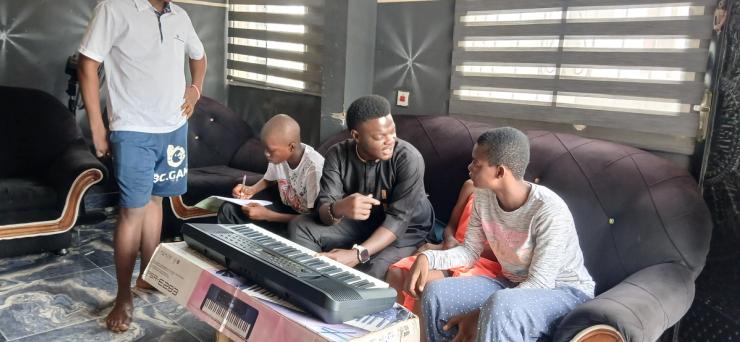
What is not a form of value — and this is worth saying plainly — is showing up once, playing with the children for an afternoon, taking photographs, and leaving. That experience may feel meaningful to you. For the children, it is another adult who appeared and then disappeared. If you understand anything about how children build attachment, you already know why that pattern causes real harm over time.
Respect the Rules. Without Exception.
Every orphanage that takes its safeguarding obligations seriously will have rules. Follow them completely.
No photographs of children without explicit permission from management. This is not optional and it is not a bureaucratic inconvenience. Many Nigerian orphanages have had images of their children used without consent — sometimes by people with good intentions, sometimes not.
Some children have histories that make their faces being online genuinely dangerous. When in doubt, ask. If the answer is no, respect it.
Do not make promises you are not certain you can keep. Not to return. Not to bring something specific. Not to "sort something out." Children in institutional care take promises seriously in a way that is easy to underestimate. Only commit to what you will absolutely, certainly deliver.
Do not try to work around the staff. The management of a home have systems that exist for good reasons — most of which you will not fully understand on your first visit. Their rules are not obstacles to your generosity. They exist for a reason and will continue after you leave.
Consistency Matters More Than Frequency
Here is the thing that separates a good volunteer from a great one: reliability.
The most valuable volunteer is not the one who comes most often. It is the one who comes exactly when they said they would. Every single time.
Children in institutional care build attachments carefully and slowly. When an adult they have grown to expect simply stops appearing, the impact is developmental. It reinforces a pattern these children already know too well: people leave.
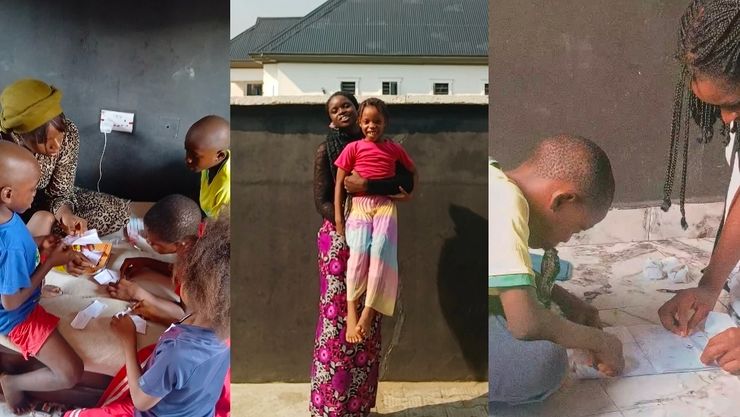
If you can commit to one session a week for three months, that is significantly more meaningful than ten sessions crammed into three weeks and then silence.
This is exactly why NextGem Refiners is built the way it is. Our volunteers do not drop in. They are placed on schedules. They are accountable to a coordinator. The children they work with know their names, know their faces, and know they are coming back next week.
That consistency is the whole point.
A Word About Why You Are Doing This
The best volunteering happens when your need to be helpful is secondary to the children's need to receive the right kind of help. These are two different things. They do not always overlap.
If you are volunteering primarily to feel good, or to document the experience for social media, it is worth pausing and asking whether this is the right kind of contribution for you right now. There are other ways to support orphanages that do not involve direct contact with the children — funding, advocacy, logistics, skills support that never requires you to enter the home.
Direct volunteering is most valuable when you are ready to subordinate your own experience of it to the children's. When the measure of a good day is not how you felt, but whether you showed up, did what you came to do, and left the children a little more certain that reliable adults exist.
That is a high standard. But these children deserve it.
How to Get Started the Right Way
If you are an NYSC corps member currently serving in Bayelsa or Rivers State, NextGem Refiners is designed specifically for you. We place corps members in verified partner orphanages as consistent weekly volunteers — structured, supervised, and genuinely impactful.
If you are an individual — a professional, a student, a member of a church or community group — we want to hear from you too. We will help you find the right fit, prepare you properly, and make sure your time actually lands where it should.
To join NextGem Refiners or enquire about volunteering:
📧 nextgemfoundation@gmail.com 🌐 nextgemfoundation.com/volunteer 📱 @nextgemfoundation
Come with consistency. Come with a skill. Come ready to serve someone else's story.
We will take it from there.
———————————————————————————————————
NextGem Foundation is a registered Nigerian non-profit building structured platforms and pipelines for orphaned children across all 36 states of Nigeria. Our Refiners volunteer programme places individuals and NYSC corps members in verified partner orphanages across the country.