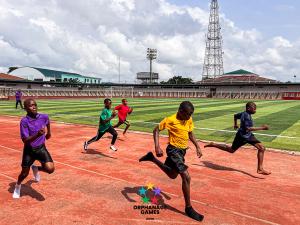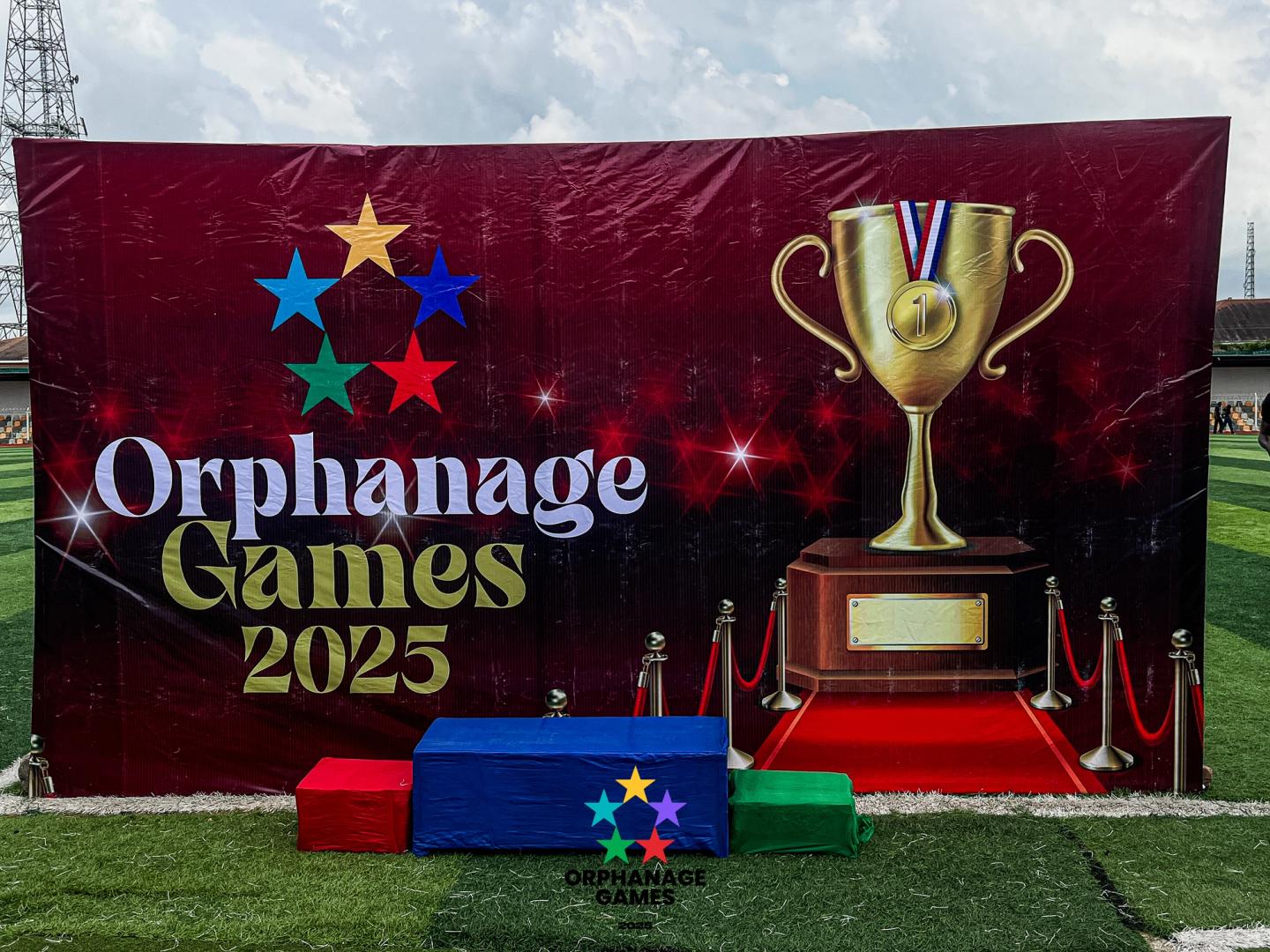
On the 6th of December 2025, five orphanages in Yenagoa, Bayelsa State, sent their children to a stadium. To compete.
——
The Orphanage Games is a structured sporting event for children living in orphanage homes across Nigeria. Conceived and organised by NextGem Foundation, the inaugural edition held on the first Saturday of December 2025 in Yenagoa, Bayelsa State — bringing together over 135 children from five registered orphanages for a full day of track and field competition and cultural performance.
It is believed to be the first event of its kind in Nigeria.
How It Worked
Five orphanages participated in the inaugural edition, each assigned a colour and competing as a team:
- Red House — Daisy's Home for Special Children
- Blue House — Daniel and Dorothy Orphanages and Home
- Yellow House — Victoria Orphanages and Care Centre
- Purple House — Destiny Child's Orphanages and Homes
- Green House — Blossom's Home for the Deaf and Blind
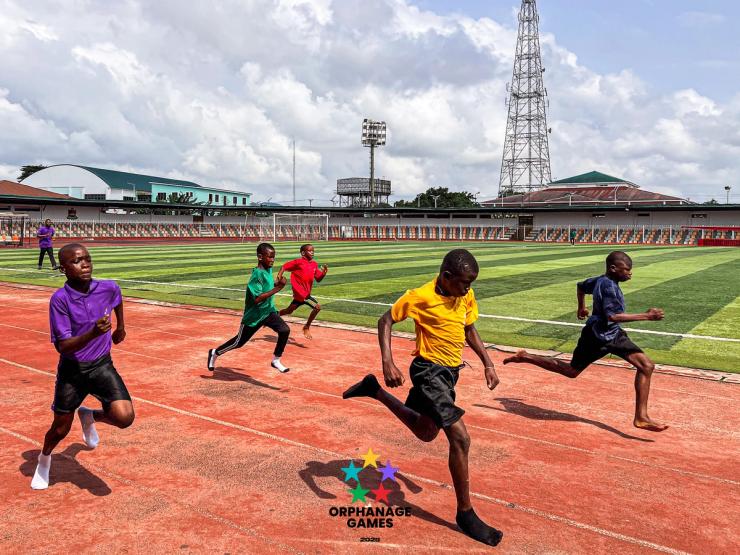
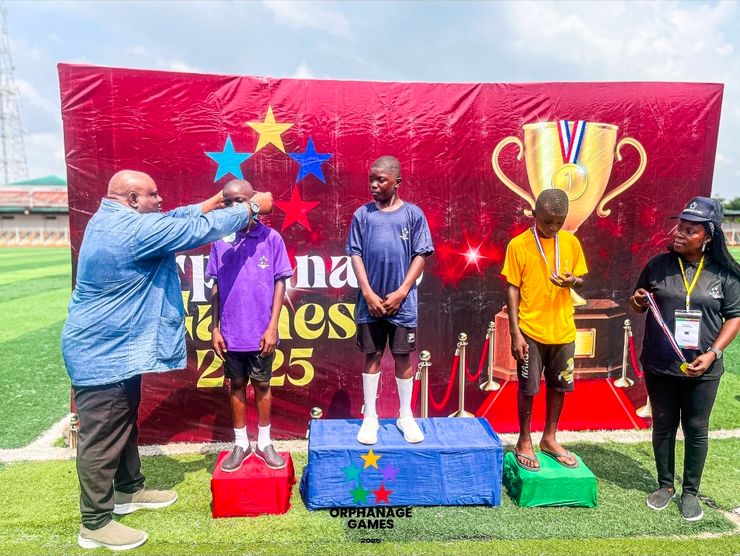
The format was deliberately structured. Children competed in track and field events — 100 metres, 200 metres, and relay races, with separate categories for male and female participants. Medals were awarded to the first, second, and third-place finishers in each event.
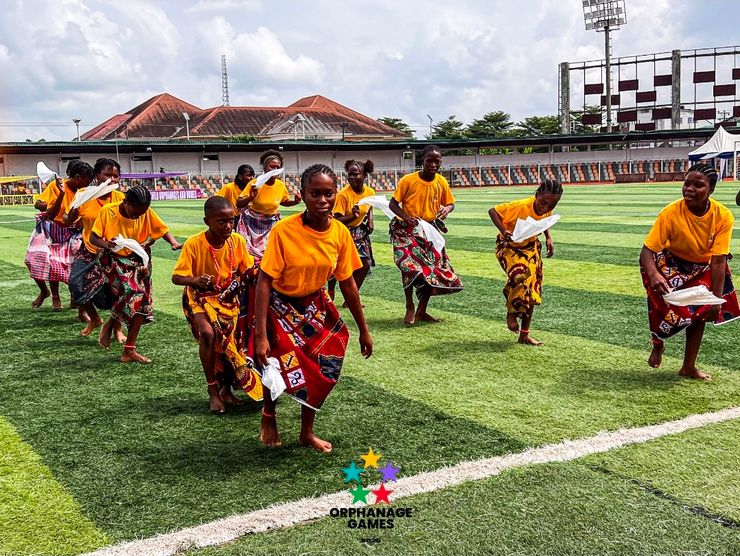
Beyond the track, every orphanage prepared a group presentation — songs, dances, performances that filled the arena with something harder to quantify than race times but no less real.
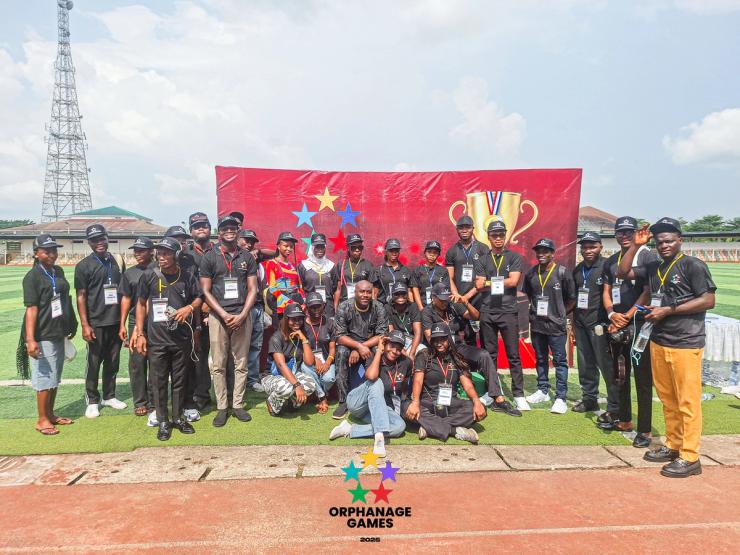
Over 50 volunteers made the day possible. Ten house masters — two assigned to each house — managed the children throughout the event. Medical personnel were on standby. Referees officiated the races. Logistics teams coordinated the movement of children, equipment, and supplies across the venue.
Who Was There
The event drew attention beyond its organisers.
Mary Jane, founder of Let The Children Come Foundation — NextGem's first corporate sponsor — was present on the day. The Permanent Secretary of the Bayelsa State Ministry of Women, Children Affairs, Empowerment and Social Development attended, as did the Director of Sports representing the Commissioner of Sports, Daniel Igali.

Their presence signalled that an event organised entirely around orphaned children, with no benefactor at the centre, was worth showing up for.
What Made It Different
The most common form of support that Nigerian orphanages receive follows a recognisable pattern. Visitors arrive. Donations are distributed. Photographs are taken. Everyone leaves.
The children in that exchange are recipients. They receive what is brought to them, and they are grateful, and then the day ends.
The Orphanage Games was built on a deliberate rejection of that model.
Children did not receive anything at the Orphanage Games. They competed.
They trained before the event. They arrived in their house colours. They ran. They performed. They won medals for finishing first, second, and third — not for being present, not for being in need, but for their individual effort and achievement.
The design reflected a specific belief: that children in orphanages are not charity subjects. They are children. With competitive instincts, physical energy, the need to be seen doing something well, and the capacity — when given the structure — to rise to an occasion.
A bag of rice is useful. A sports day is something else entirely.
The Moment It Became Real
A few hours before the children arrived, as the venue was still being set up, the facility manager walked into the stadium and looked around.
"The fact that you've already set up like this," he said, "means you have already succeeded."
He had seen the plans from the beginning. He had watched the preparation. And in that moment — standing in a stadium arranged for children most Nigerians never think about — he finally saw what it was supposed to be.
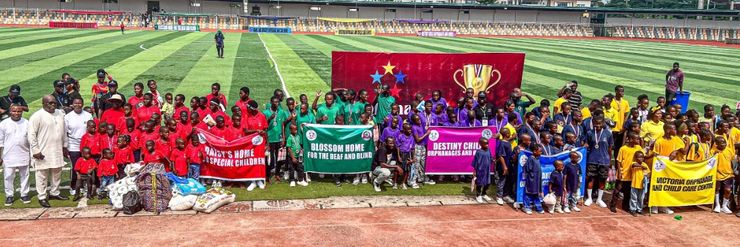
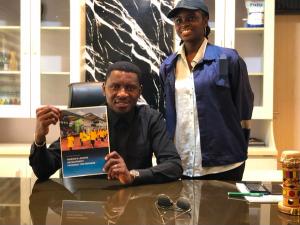
That reaction repeated itself. People who were not there saw the photographs afterwards and said they wished they had come. The Commissioner of Sports, when the organisers later visited his office, said he had only been hearing good things and wanted to know how it had been pulled off.
For an event organised with limited resources, by a team of young volunteers, for children who rarely leave their orphanage walls — that response was not nothing.
What Comes Next
The Orphanage Games is the flagship initiative of NextGem Foundation — and it is designed to grow.
The December 2025 edition was a proof of concept. It demonstrated that the model works: that orphaned children, given the structure, the resources, and the belief that the day is genuinely for them, will show up and deliver something extraordinary.
The 2026 edition is being planned. The goal is more orphanages, more states, and deeper investment in the experience — more rigorous competition, better facilities, stronger partnerships.
If you want to be part of what comes next — as a sponsor, a volunteer, a partner organisation, or an orphanage director who wants to register your home — NextGem Foundation wants to hear from you.
📧 nextgemfoundation@gmail.com
🌐 nextgemfoundation.com
📱 @nextgemfoundation
———————————-
NextGem Foundation is a registered Nigerian non-profit organisation dedicated to building structured platforms and pipelines for orphaned children across all 36 states of Nigeria